Plan a welcoming habitat
Think about plants, shelter, food and water together. Start with the size and conditions of your space, then choose a level of ongoing care you can maintain.

CURIOSITY TAKES FLIGHT.
Practical guides to feeders, water, native plants and camera birdwatching—one thoughtful step at a time.
Find a learning guide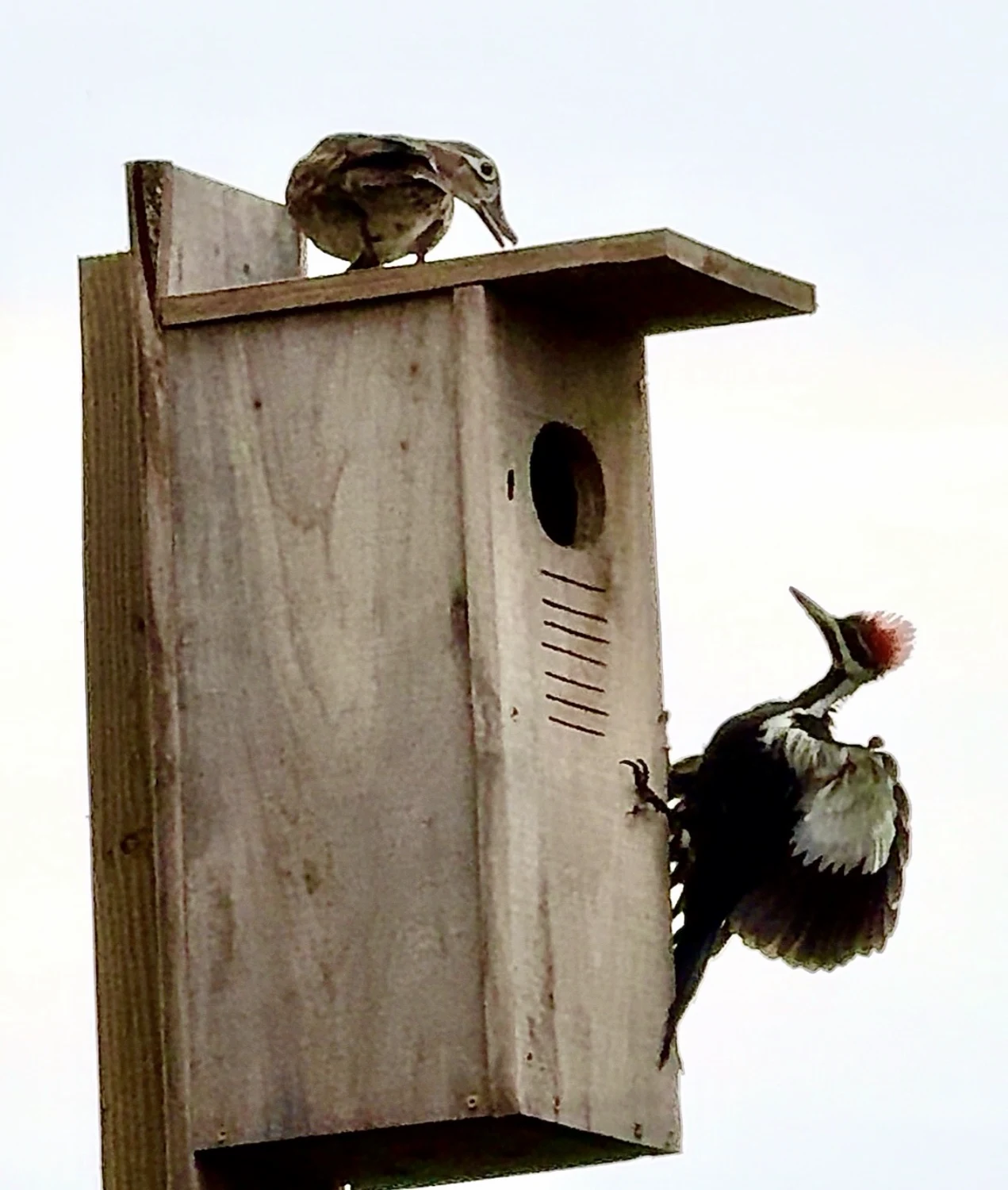
LEARN
Helpful ideas for caring for the birds and the places they visit.
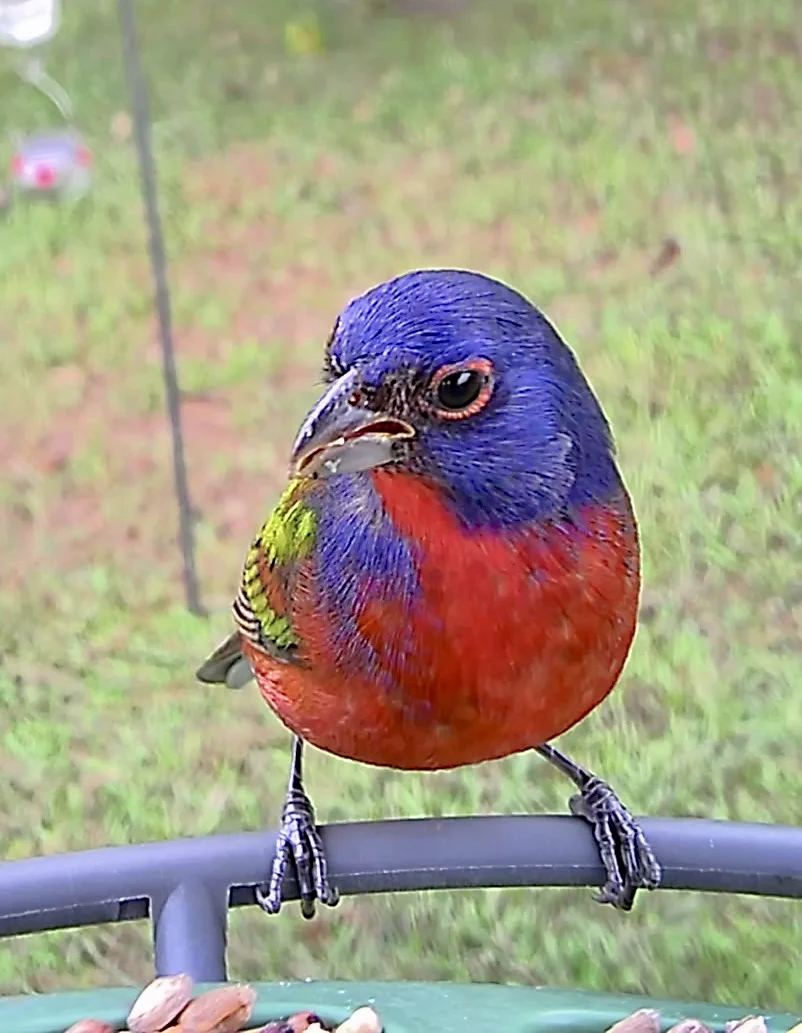
You don’t need to know every bird name to begin. Notice where birds perch, when they visit, and which parts of the garden they use. These observations are a useful starting point for planning your space.
Use the articles above as introductions, then explore the linked identification, migration and wildlife-care resources. Advice for a particular animal belongs with a qualified wildlife rehabilitator.
Think about plants, shelter, food and water together. Start with the size and conditions of your space, then choose a level of ongoing care you can maintain.
List your feeders, birdbaths and cameras. Discuss access, cleaning and refill needs with Alicia so the work fits your routine and the season.
A camera is one more way to notice backyard activity. Before installation, discuss placement, power, Wi-Fi coverage and how you want to view or share the footage.
Keep notes about visitors and changes in your garden. BirdCast’s Martin County dashboard offers regional migration context; Merlin can help you explore bird identification.
Contact Treasure Coast Wildlife Center for guidance about injured, ill or orphaned wildlife. Its link is in the resources above. Avoid treating general website information as a diagnosis for an individual bird.
Yes—send a description of your space and the help you’re looking for through the Contact page. Garden and equipment recommendations can be discussed around your circumstances.
Let’s talk about your space, the birds you enjoy, and the help that would make a difference.
Talk with Alicia